Billabong Gold Project (Zimbabwe)
AI-Driven Targeting and 3D Structural Modelling
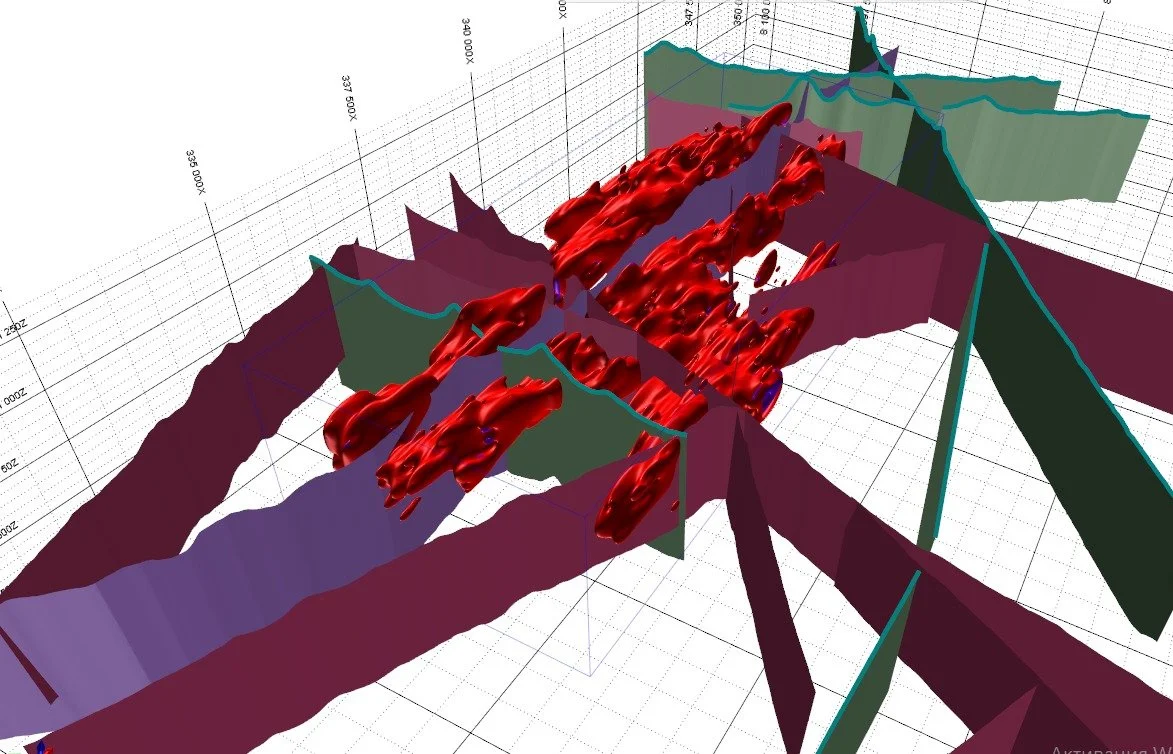
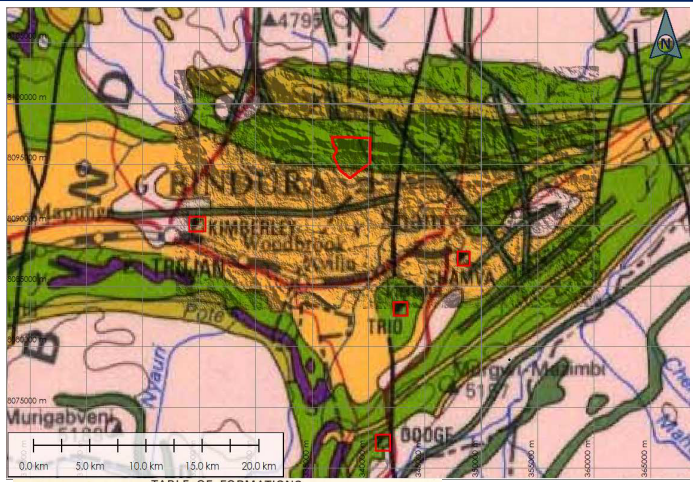
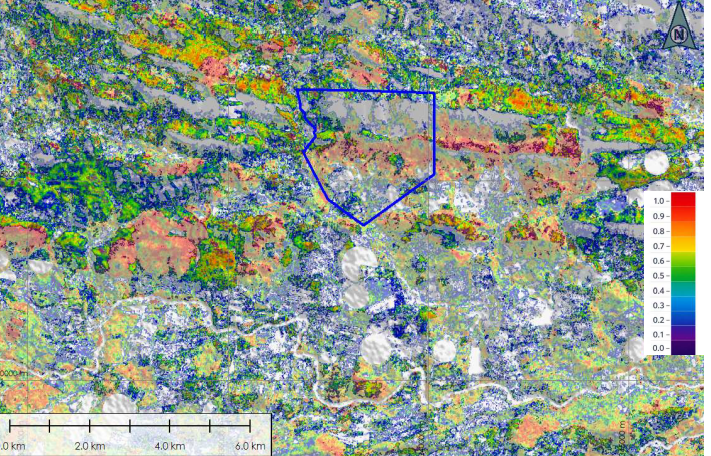
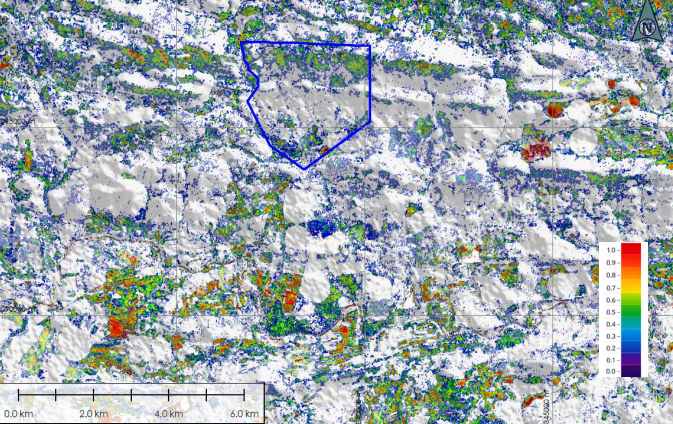
An advanced exploration study conducted within the Shamva–Bindura Greenstone Belt, focused on the identification and delineation of structurally controlled orogenic gold targets using AI-driven prospectivity modelling, spectral analysis and 3D geological modelling.
The project integrated multiple datasets, including satellite spectral information, structural interpretation, regional geology and historical mining data, to identify prospective corridors associated with shear zones, fault intersections and hydrothermal alteration systems. AI-based probability modelling was applied to delineate and rank priority exploration zones.
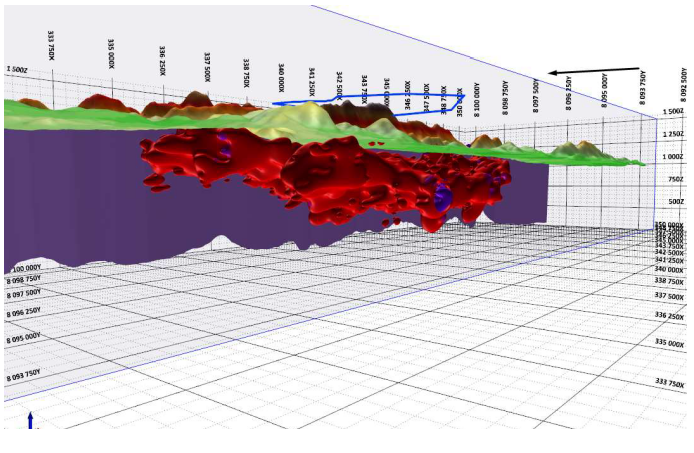
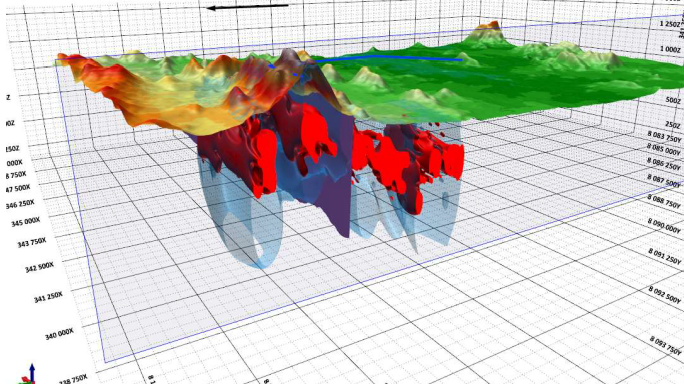
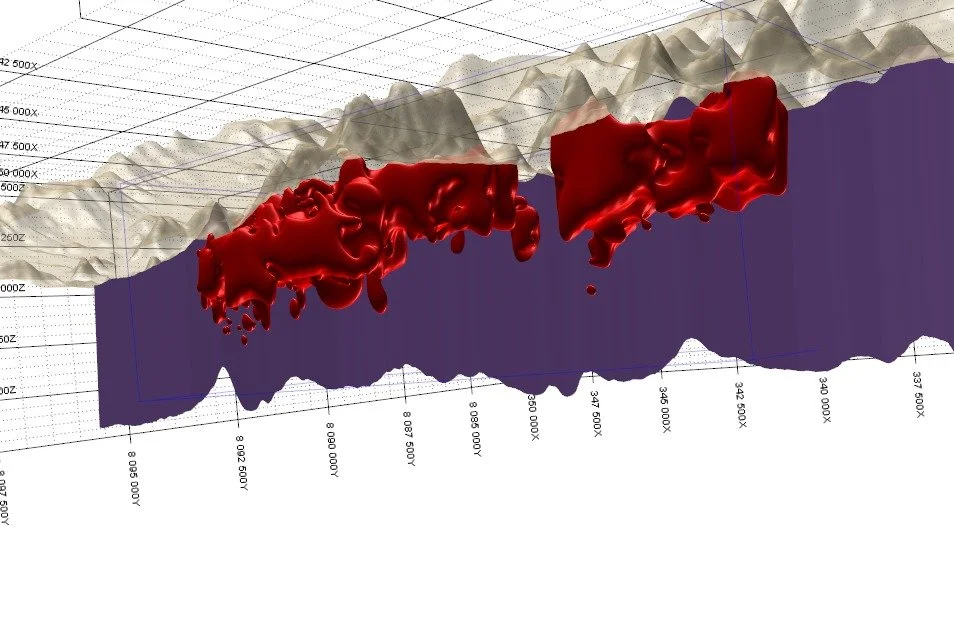
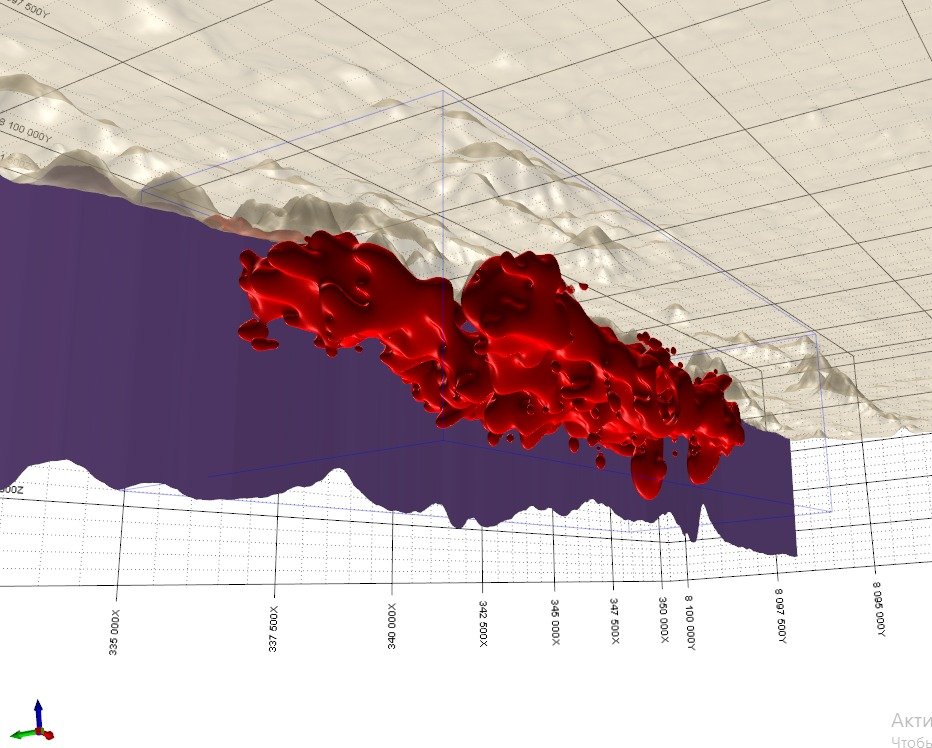
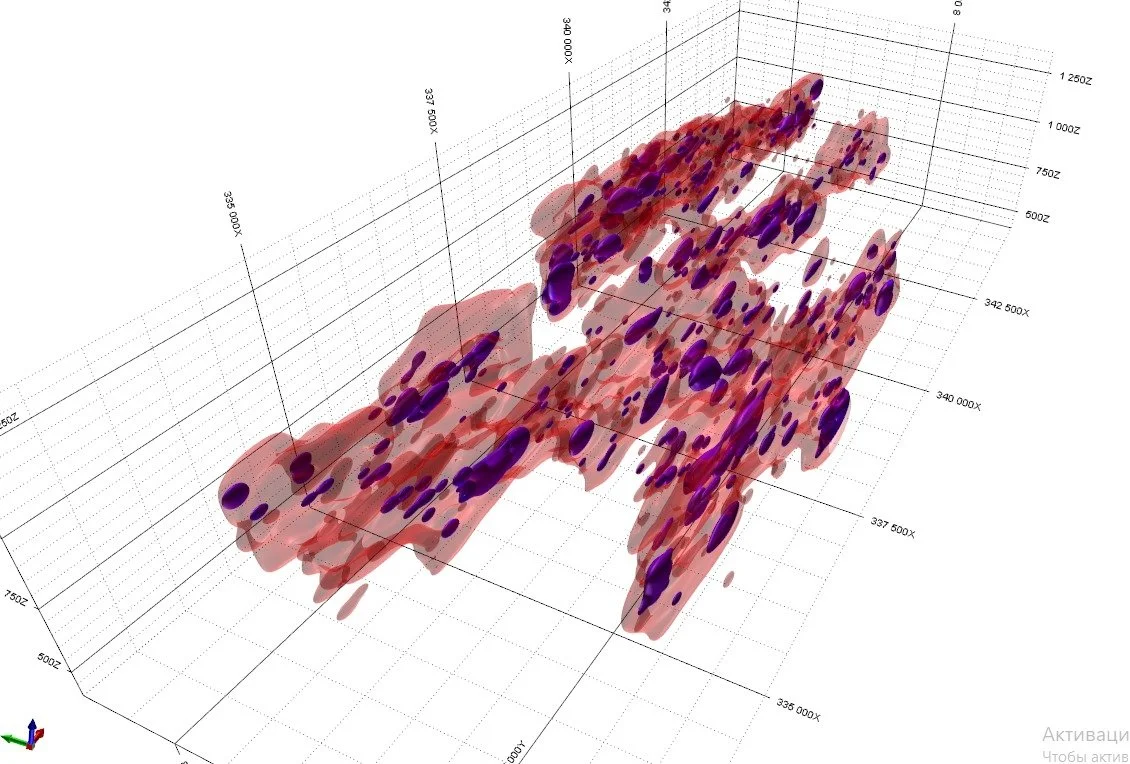
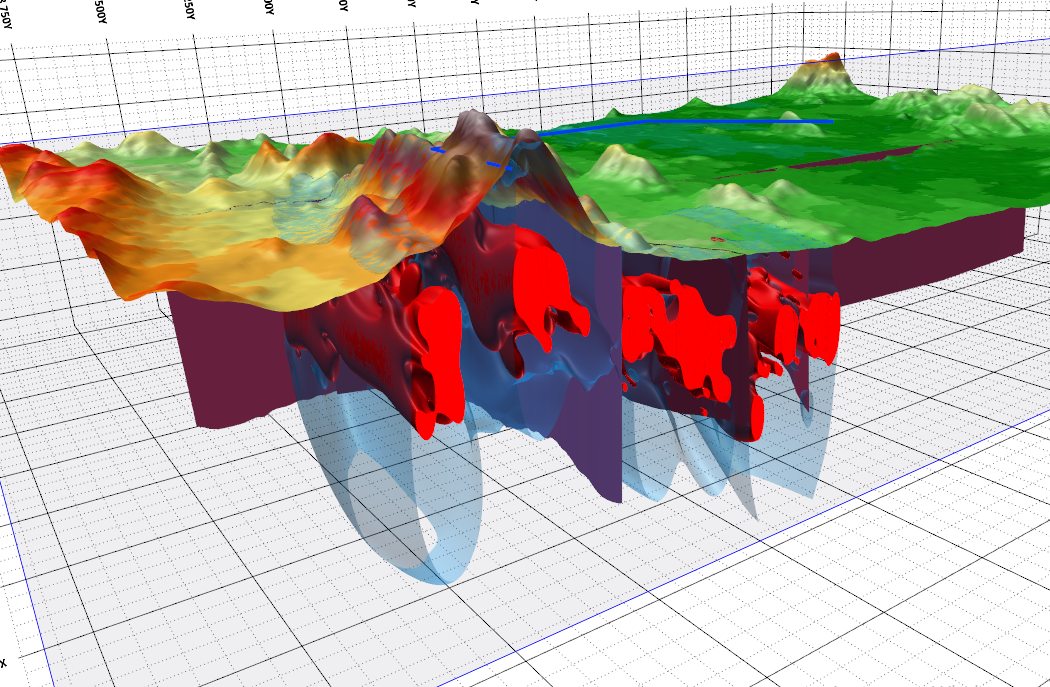
The integrated analysis defined coherent prospective mineralised trends and high-probability target zones, supported by spatial relationships with known artisanal workings and regional structural controls. Conceptual 3D modelling was used to interpret the geometry, structural continuity and potential depth extent of the target zones, providing a framework for focused follow-up exploration.
A priority prospective target zone was identified within the project area. Comparative geological analysis with nearby mineralised systems and regional analogues indicates significant exploration upside. Conceptual sensitivity modelling suggests the potential for a substantial gold-bearing system, with an exploration-scale upside case exceeding 800,000 ounces of contained gold.
This figure represents conceptual exploration potential only. It is not a Mineral Resource or Ore Reserve, and has not been established through sufficient drilling, sampling or resource estimation. Confirmation requires systematic field verification, drilling, analytical testing and subsequent geological modelling.